



Ducks Unlimited WF360 California Migration Editor
Every waterfowler I’ve encountered has echoed the same sentiments about the 2025-26 waterfowl season in California: It has been a pretty weird year, with little consistency and generally disappointing hunting. The birds were in short supply or never showed up.
The perceived “strangeness” ran the gamut, from the warming trend that kept birds from migrating and held them in the northern states and lower Canadian provinces to heavy rainfall that provided close to 400,000 acres of flooded rice in northern California that greeted ducks and geese when they finally did show up.

The tough hunting was felt across the board, from high-dollar clubs to public hunting areas. There is good news, however, for the final days of the regular waterfowl season that closes Jan. 28 in most parts of the state as well as the following special hunts for veterans, youth and the late, five-day goose season.
Important dates to remember include the closing of all goose hunting on Sunday, Jan. 25, and the late goose season for white-fronted and snow/Ross’s geese on Feb. 14-18. The special two-day Veteran’s hunt is Jan. 31-Feb. 1, and the federally-recognized Youth hunts are scheduled a week later on Feb. 7-8.
Here’s the skinny on hunting up and down California’s 800-mile length:
Northeastern California Zone—Closed
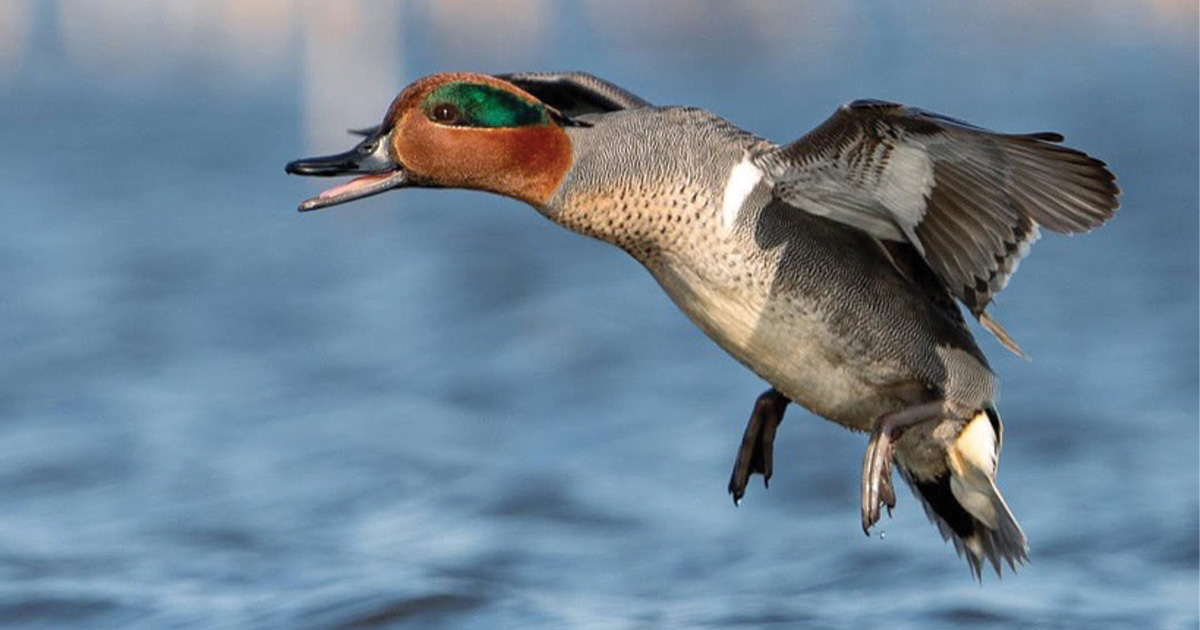
Northern Sacramento Valley—Generally slow; wigeon and green-winged teal top the bag. Goose hunting is slow, except for select areas that hold massive flocks of snow/Ross’s geese. Public areas are very slow, with Colusa National Wildlife Refuge (NWR) yielding the top daily averages. Northern pintails are conspicuously absent north of the Butte Sink, where the legendary clubs have reopened after being flooded out. The X-Zone around the Sacramento NWR closed in mid-December to protect greater white-fronted geese.
Suisun Marsh/Delta—The legendary inland tidal marsh is holding birds, mainly shovelers, green-winged teal, and wigeon, but dense fog has stifled hunters in the morning hours. Where allowed, hunting is best in the afternoons once the visibility improves. Delta islands are literally covered with white-fronted and snow/Ross’s geese, providing the best gunning in the state for geese. Duck hunting is much slower with a mix of ringnecks, shovelers, wigeon, pintails, and green-winged teal. Local mallard and wood ducks are scarce.
Grasslands Ecological Area—The best ducking in the state is found on both private and public areas, with green-winged teal dominating. Dense fog and cold has produced a wide variety of other ducks such as gadwalls, wigeon, shovelers and ringnecks. Sprig, more properly called northern pintail, are abundant for midday and afternoon shooters who have access to large, shallow ponds. Snow/Ross’s geese are found in dense flocks, especially in wetlands between Gustine and Los Banos. Public areas such as the Gadwall Unit, Kesterson NWR and West Bear Creek are giving up close to three-bird averages. Down the stretch, hunting is rated good and improving and very worth the effort to go afield.
San Joaquin Valley—The state’s largest wildlife area, Mendota, has finally awoken, with solid numbers of green-winged teal and shovelers. Kern NWR shoots only twice a week and offers the best birds-per-hunter averages in the state, consistently close to three birds. Gadwalls and shovelers top the bag.
Southern California—A very tough season limps to a close in this region. Hunters at San Jacinto, Wister and Sonny Bono refuges have really struggled. Private clubs around Mystic Lake are down as much a 75 percent below their normal take. With that said, more greenwings are showing up very late.
