



BY MIKE STEVENS
Who remembers “fishing the slide” for yellowfin tuna? The technique that got so popular, there were t-shirts celebrating it all over the Fred Hall Shows in the 1990s. While on the troll, sportboat anglers fishing the slide would hook a live bait, drop it in the hand well and stand there until there was a jig strike. As that fish was wound in and the other troll rigs were pulled out of the way, that guy (guys plural at it became more popular) would bolt to the stern and drop his bait over the side with the reel in free spool. As the boat slid forward in neutral, that bait would drift further and further back and would be the first live bait a school of tuna would encounter after the first hookup.
It was very effective, and on slower days, guys fishing the slide would be the only ones getting fish other than those caught on the troll. Like all trending tactics, fishing the slide evolved. In an effort to get a jump on the live bait guy, anglers started using artificials on the slide. I believe it at first it was Krocodile spoons, then MegaBait-type jigs became the go-to. Obviously those guys didn’t have to be glued to the bait tank before a trolling reel went off, so they beat the bait guys to the punch.
Jig strike, drop lure back in free spool as boat slides forward, put reel in gear, boat moving forward gives the lure action. Done.

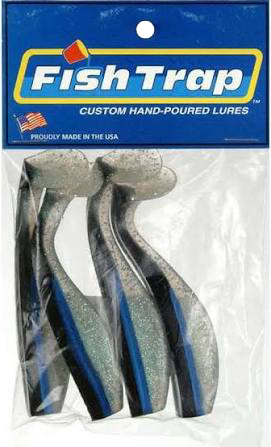
Eventually, it became clear that it didn’t really matter what was dropped back as long as it was immediately following the jig strike. Even dead sardines and ‘chovies were being dropped back with success, and on the artificial front, plastic swimbaits entered the fray. I remember Fish Trap baits being the go-to, and everyone had to have the “Channel Islands Chovy” color. We couldn’t keep it in stock in the tackle shop, even though looking back, a shiny torpedo sinker with a hook on it probably would have done the trick.
And it’s not like this has gone extinct. Fishing the slide is still done at some level wherever there’s tuna, but with football tuna swarming within half-day range, it might be time to move the technique back into the starting rotation.
Tinkering with trolling itself.
Old school tactics for targeting local yellowfin tuna on the troll was simple but not without innovation, for better or worse. Trolling feathers (Zukers, Seventrand, etc.) was nothing new, but tuna anglers started getting picky about colors. Dark patterns (black/purple, Mean Joe Green and one interestingly named Abortion) for overcast days, and bright colors (Mexican Flag, Zucchini, blue/white) under sunny skies. These were widely accepted rules, but I remember chuckling over it when a full-time commercial tuna fisherman came into the shop and said, “You know what color feathers we use? White. Straight white. Nothing else, and sometimes there’s only a single feather left, and they still work.”
Jet Heads would later the fold and become all the trolling rage. Same concept as trolling feathers, only they had tougher plastic skirts and a metal head full of holes that created a “smoke trail” of bubbles behind the lure as it moved through the water, occasionally breaching the surface.
Daisy Chains were also in the mix. Running three to five plastic squids (more often associated with salmon fishing) ahead of the feather or jet head to give the appearance of a big baitfish chasing several little ones.
The return of Cedar Plugs also occurred right around this time, and it didn’t take long for tuna guys to swear by them. To those unfamiliar, imagine an unpainted piece of wood about the size of a cigar with a lead head and a single hook coming off the back. Apparently, they had an action that was unlike any other trolling lure, and they would work when nothing else would. Eventually they became available in different colors, specifically the same patterns that were popular with the tuna feathers, but anglers barely touched them. They wanted that unfinished wood version.
In a feeble attempt to gravy train that bandwagon, Rapala came out with a version of their popular diving plugs in a color called “Nude” which was an obvious attempt to win the hearts of that unpainted wood crowd. While some of them sold at first, they quickly fell out of favor and wound up in blowout bins. About a year ago, I mentioned them to an industry guy who used to work for a local company that distributed Rapalas, and with a chuckle he pretty much said that idea was a disaster.
That being said, the non-nudey CD14 and CD18 Rapalas we’re actually very popular among the private boat community, so they still got theirs. Sportboat captains didn’t like them because if someone brought one that was “out of tune” it was going to run sideways and tangle the other trolling lines up, but they were easier to manage on a small boat, and they did a lot of damage on the local tuna community.
Clearly tactics, like the presence of certain gamefish species, are cyclical. So it’s wise to always keep them on the back burner for when things circle back.