



BY MIKE STEVENS
AVALON – The Catalina Island Conservancy and White Buffalo, Inc., a non-profit which “employs hunters to help preserve native species and ecosystems” are looking to employ sharpshooters in helicopters to eradicate mule deer from the island. Muleys were brought to Catalina in the late 1920s as part of a ranching operation, and both non-profits believe they should all be shot in order to protect native plants.
According to a petition opposing the plan posted at Change.org, The Conservancy has APPLIED for a permit to kill the deer. They are using a single line in a much broader permit that allows for killing under a category labeled “scientific” reasons. Though not the more extreme direct “depredation” permit, if approved they WILL be able to use the approval to carry out their plans. IT HAS NOT BEEN APPROVED YET. The good news is that the CDFW is aware that there will be significant public attention and will be providing a website at some point. We have a bit more time than initially thought but we still must act fast and fight hard.
The petition can be found by searching “Save our Catalina Mule Deer” at Change.org, and it includes a call to action with relevant email addresses to contact and email templates that can be used.

“The island and the deer are both fighting for survival, and neither one is winning,” Whitney Latorre, Catalina Island Conservancy chief executive told the LA Times. “Unless we address the deer issue, the island will become more and more vulnerable to the devastating consequences brought on by rising temperatures and drought.”
These situations in which professional “hunters” are paid to cull wildlife are nothing new to those actually familiar with wild game and habitat. The head-scratcher across most of them is the question, why not create more easily-accessible hunting opportunities and sell tags and let hunting continue to stand as the wildlife management tool that its always been.
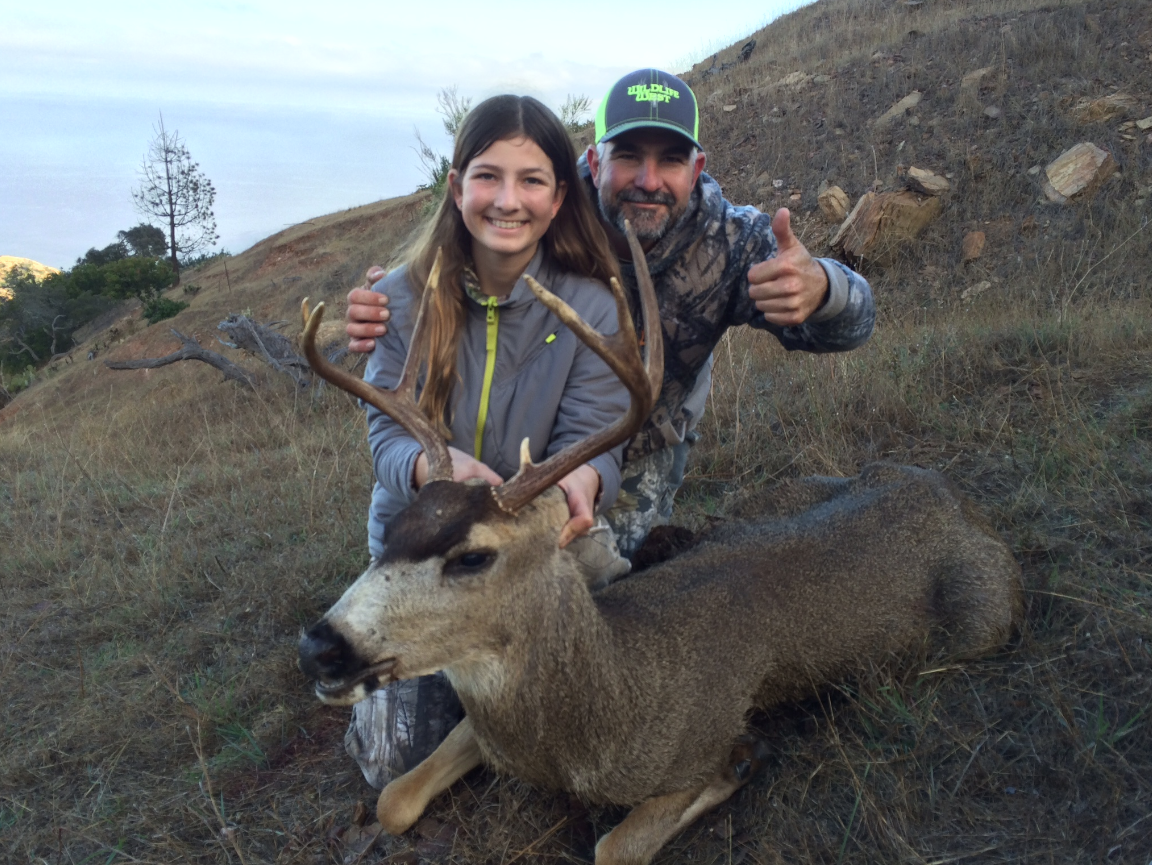
As in, rather than paying someone to do the dirty work, make money by allowing those who would love to get the job done. It would not only result in money from the sales of tags, but also for the local economy in Catalina and via excise taxes on hunting gear and ammo. Currently, deer hunting season on Catalina Island only allows for the harvest of around 200 mule deer per season.
“There are a lot of hoops to jump through and restrictions to hunting on the island which makes it very difficult and expensive to hunt,” commented Joshua Mann on a post on the matter by Inside Sportfishing on Instagram. “The average hunter will never be able to hunt out there. If they were to change the laws and make it cheaper and more doable, then it is a very attractive hunt. The deer population has been managed, just not to their liking. Executing them and leaving them to waste is immoral and wasteful. This was done on other Islands with deer elk bison and hogs. Such an atrocity. Millions of dollars could have been raised in hunts to reduce the herds.”
Perhaps above all else, a Catalina deer harvested by a hunter would not go to waste, while the plan is for sharpshooters to leave the carcasses of the deer in the field. Ironic that if a hunter leaves a single animal to rot, they are breaking wanton waste laws, but leaving as many as 2,000 out there in the name of protecting native grass is a different story.
It’s not the culling that has most detractors up in arms over this plan, it’s the manner in which it’s being executed.
